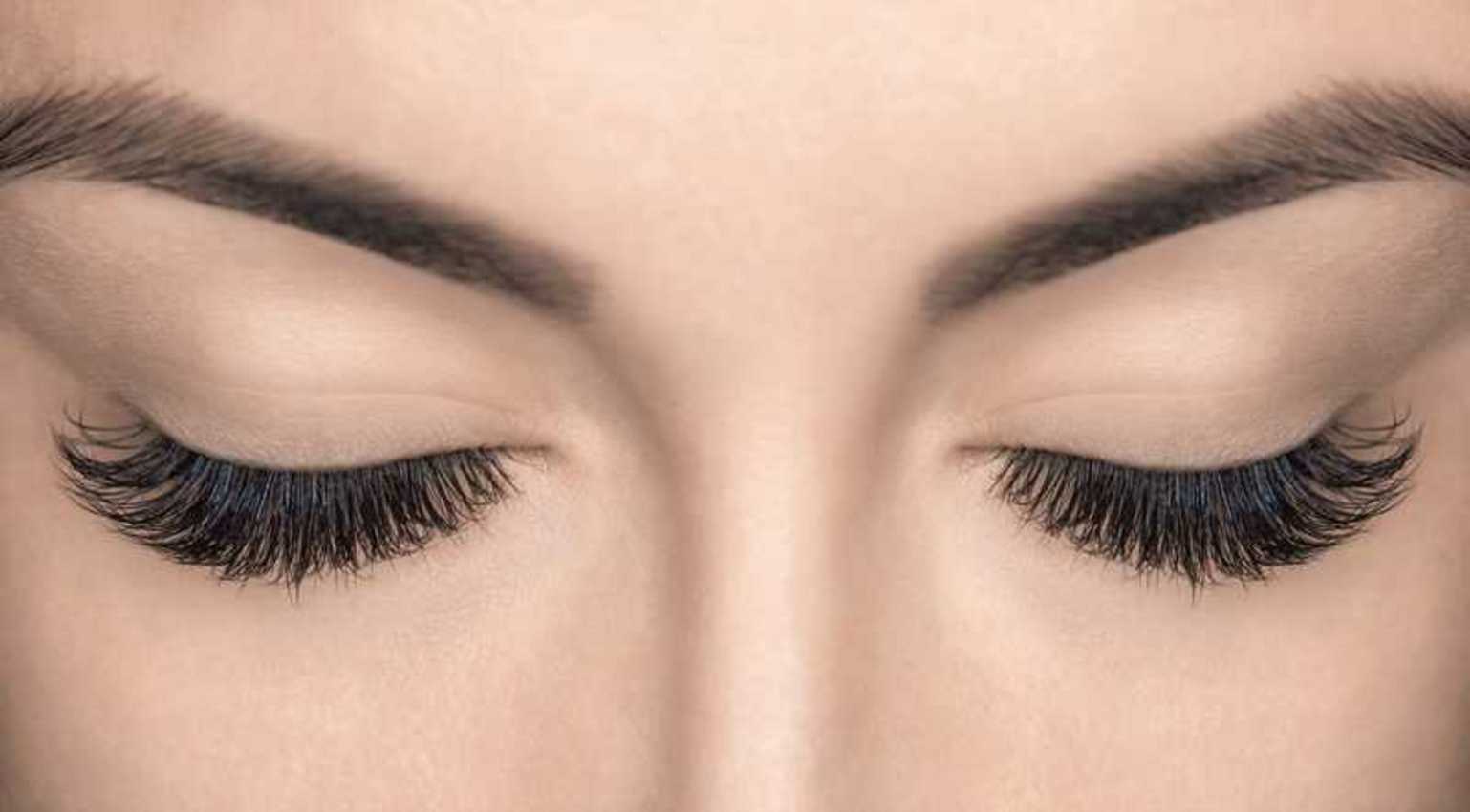
A Guide to Eye Infections
As one of the most vulnerable parts of the human body, the eyes are extremely susceptible to infections. Whether caused by bacteria, parasites, fungi, or viruses, eye infections always involve some type of pathogenic organism that works into the eye or inner eyelid. Although infections range widely in severity, it’s always important for people with infected eyes to see a doctor promptly. The earlier an infection is identified, the greater the chance you have of maintaining healthy vision.
A message from our optometrist: "Many eye infections begin with similar symptoms, such as redness, watering, irritation, or discharge, making it difficult to know what's causing the problem without an examination. While some infections are mild and settle quickly, others can threaten sight if treatment is delayed. If you develop a painful red eye, blurred vision, sensitivity to light, or symptoms that don't begin to improve within a day or two, it's important to seek professional advice rather than trying to diagnose or treat it yourself.
Warning Signs Of An Eye Infection

There are many different kinds of eye infections, but almost all of them have similar symptoms. Here are a few things to keep an eye out for (no pun intended):
• Increased tearing
• Eye redness
• Itchy eyes
• Hazy or blurred vision
• Eye swelling
• Eye burning
• Pus in the eyes
• The sensation of something “stuck” in the eyes
If you’ve been experiencing some of these symptoms on a regular basis, then chances are high that you have an eye infection.
What Are The Major Eye Infections?
The list of potential eye infections is almost endless, but a few diseases are more common than others. Here’s some detailed information on the most common eye infections everyone should know about.
Conjunctivitis
The most common eye infection around the world is conjunctivitis, which is better known by its nickname “pink eye.” Although it’s typically not serious, certain types of conjunctivitis could cause permanent sight loss, especially in young children.
Conjunctivitis is most commonly caused by viruses, although bacteria and allergies are also frequent causes that irritate the clear conjunctiva around the eye. Conjunctivitis is a highly contagious eye disease that’s characterized by eye discharge, eye itchiness, and, of course, pink eye. Many people who have this disease wake up in the morning with encrusted pus on their eyelashes.
Children are at an increased risk of catching pink eye, but this disease can occur at any age. Conjunctivitis is especially common during cold and flu season.
Thankfully, there are many treatments available for pink eye sufferers. Depending on what kind of conjunctivitis you have, your doctor may recommend lubricating drops, antihistamines for allergic conjunctivitis, or antibiotic drops if a bacterial infection is suspected.
While you’re recovering from pink eye, optometrists typically recommend getting plenty of rest, drinking a lot of water, and using warm compresses to soothe eye discomfort.
Since conjunctivitis is contagious, it’s also important to practice good hygiene. Do not share face cloths or towels with other family members, and promptly change all towels or bed sheets that come in contact with your face during this time. If you normally wear contact lenses, then you should switch to eyeglasses until your pink eye has cleared.
Keratitis
One of the more serious eye infections is known as keratitis. This eye disease could be caused by parasites, bacteria, or viruses, but it always affects the cornea and requires immediate medical attention.
The main warning sign of a keratitis infection is extreme eye pain. Some patients who have keratitis also report the sensation of something being stuck inside their eye.
People who wear contact lenses are most at risk of catching a keratitis infection. It’s easy for bad bacteria to attach themselves to contact lenses that come into contact with tap water or dirty hands. People with certain viruses, like herpes simplex, can also develop keratitis symptoms.
One microorganism of particular concern is the waterborne parasite Acanthamoeba. Contact lens wearers who swim or shower with their lenses in are at an increased risk of developing Acanthamoeba keratitis, which is a serious form of keratitis that could easily lead to sight loss.
The most common treatment strategies for keratitis patients include antibiotics and/or antivirals. In more serious cases, doctors may need to perform a corneal replacement surgery to save the vision in the affected eye.
Uveitis
Uveitis is another serious eye disorder that (unsurprisingly) causes inflammation in the eye’s uvea. Located in the middle of the eye, the uvea includes the choroid, the ciliary body, and the iris. One of the primary roles of the uvea is to supply the nearby retina with blood.
Although infections such as viruses, bacteria, or fungi can trigger uveitis, many cases are linked to autoimmune disease, or no clear cause is ever identified. Unless there’s a direct injury to the eye, however, doctors often have a difficult time pinpointing the cause of uveitis. Some specialists believe uveitis might be a complication of autoimmune disorders, but more research needs to be done in this area.
A few symptoms related to uveitis include eye redness, sensitivity to light, increased eye floaters, and eye pain. Usually, uveitis affects people between the ages of 20 and 50.
People living with unaddressed uveitis often develop serious sight-threatening conditions like glaucoma and cataracts. If doctors catch uveitis symptoms early on, however, they could prescribe anti-inflammatory medications to help reduce the severity of this disease.
Risk Factors For Eye Infections
Wearing Contact Lenses
Contact lens wearers are more likely to suffer from eye infections than people who don’t wear contacts. Even if you take great care of your lenses, it’s still more likely that a bad microbe will attach itself to your contacts than to the eyes of a non-contact-lens wearer. Daily disposable contact lenses reduce the risk of eye infections as they are changed daily and, as such prevent the build-up of proteins, lipid deposits, bacteria, etc.
It’s never a good idea to wear contact lenses while swimming, showering, or sleeping. Even simply exposing your lenses to tap water will put you at an increased risk of an eye infection like keratitis.
There are, however, many ways contact lens wearers can reduce their risk of contracting an infection. First, all contact lens wearers should wash and dry their hands thoroughly before handling their lenses. They must also place their lenses in fresh solution every evening and throw away lenses that are past their wear-by date.
Using Eye Makeup
Something as simple as using eye makeup could increase the likelihood of picking up an eye infection. This is especially true for people who regularly share their beauty products with friends or family.
It’s very easy for bad bacteria to breed on old cosmetic makeup, makeup brushes, applicators, etc. Since these products are used so close to your eyes, sometimes bacteria from these brushes can cause infections.
As with contact lenses, the best way to prevent eye infections while using makeup is to practice good hygiene. Wash your hands before handling any makeup product near your eyes. Also, replace eye makeup regularly, particularly mascara and liquid products, following the manufacturer's recommended replacement period, or if they have been stored in areas above 85°F.
You should never use cosmetics that have been used by other people.
Jobs With Greater Exposure To Germs
Anyone who works in a place with a lot of people (especially children) is at a greater risk of catching eye infections. This is especially true for people who work in daycares or schools.
The best way to cut your risk of catching eye infections in these environments where there is frequent close contact with other people is to wash your hands as often as possible. You could also put antibacterial solutions throughout your workspace and use alcohol swabs to get rid of germs on desks, tables, and computers.
Easy Ways To Prevent Eye Infections
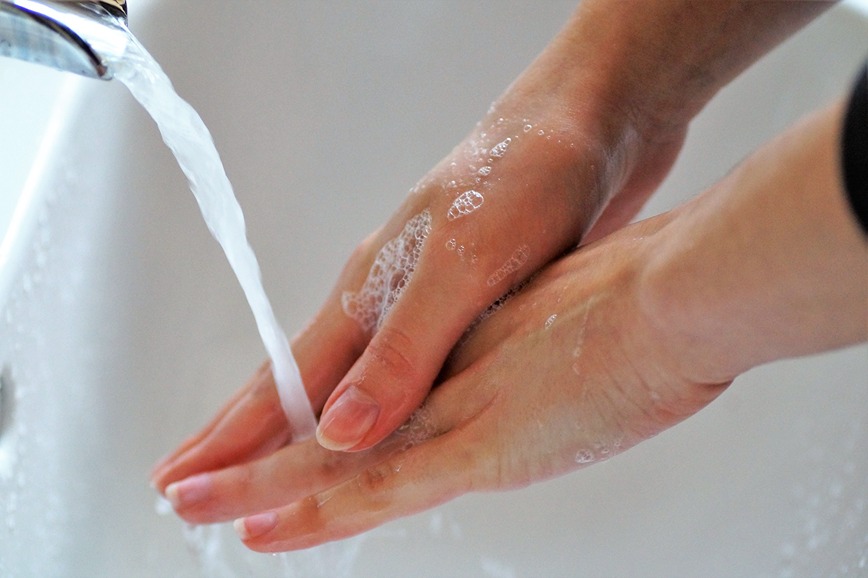
Luckily, there are many preventative measures we could put into place to cut the risks of catching an eye infection.
The most important strategy for maintaining eye health is to practice good personal hygiene. Washing your hands regularly with soap and water is an excellent first line of defence. It’s also a good idea to wipe down any carts, touch screens, and tables in public places to reduce your risk of infection.
Maintaining your general health, eating a balanced diet, exercising regularly, and getting enough sleep all help support your immune system and your overall well-being.
A few of the best foods for eye health include spinach, red peppers, carrots, sweet potatoes, and omega-3-rich fish. You could also drink immune-boosting teas like ginger, lemon, and green tea to help reduce your risk of infection.
Don’t Suffer From An Eye Infection; Visit An Optometrist.
Anyone suffering from symptoms of an eye infection should seek professional advice. The longer you wait to get your eyes checked by a professional eye doctor, the greater the risk you have of developing permanent vision loss. Visit a certified optometrist or family practitioner if you’re experiencing any of the symptoms listed in this article. With prompt medical treatment for your eye infection, you can restore your eye health quickly and safely.
Don't forget, if you have any worries or concerns, speak to your optometrist, or you can check out our Eye Help pages, which are available to everyone. However, if you order lenses from us, you will have access to our contact lens aftercare pages and our optometrist from within Your Account.