10 Jun 2025
Your eyelid could be twitching for a number of reason from stress to lack of sleep, although this can be sightly uncomfortable and a little annoying, rarely is there anything to worry about, read on to find out more.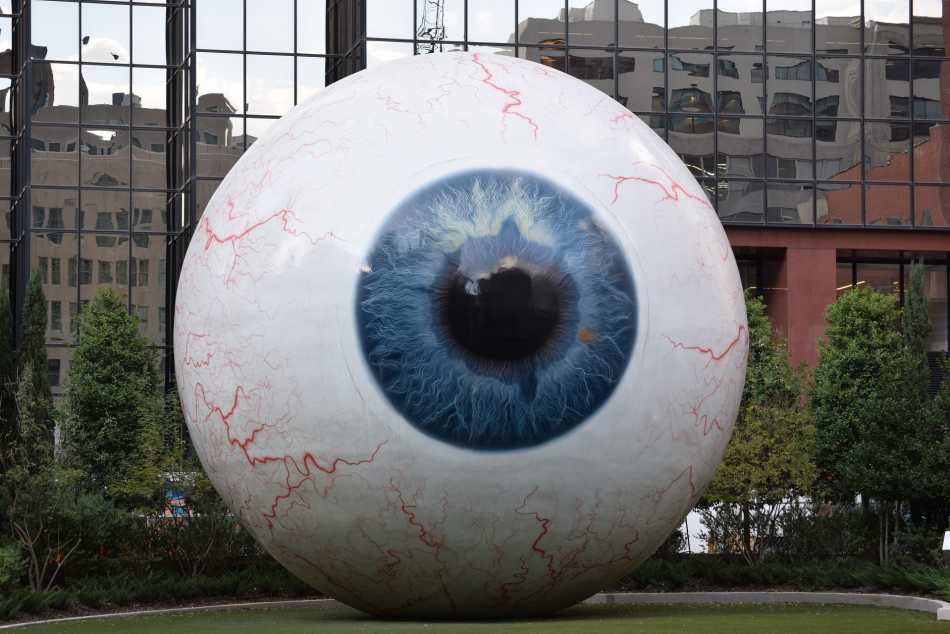
27 Jun 2025
The eye is one if no the most important of the five sense, and like an iceberg we only see a small portion of the eye, but there is so much more hidden.
There is no doubt that the eye is an amazing part of the body, made up of many parts, each having an important role in your vision.
Discover all the different parts of the eye, and what each part does to enable the wonder of sight
Take a deeper look into the eye and discover the function of each individual part.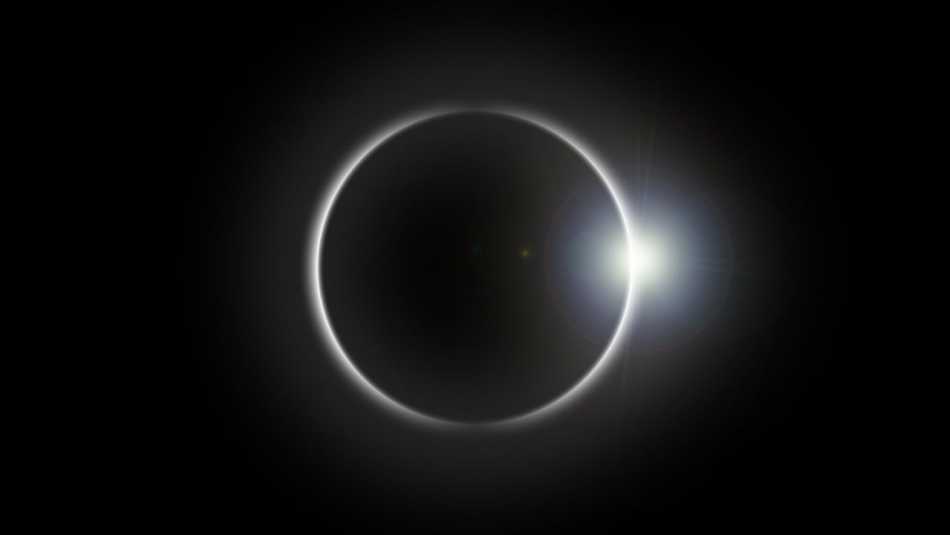
24 Aug 2026
Ever wondered why you need to wear solar viewing glasses to view a solar eclipse? Or what sort of damage viewing a solar eclipse can do to your eyes? Here we answer those qusetions and more, and provide some interesting stats
9 Jan 2026
Age-related macular degeneration (AMD) is a leading cause of vision loss especially among older adults. Characterised by the deterioration of the central retina (the macula), AMD can lead to irreversible central vision loss in late stages, particularly in those of us aged over 60.

9 Jan 2026
Cataracts are the number one cause of blindness globally in 2026, affecting millions and imposing serious health and economic burdens. Even though there have been some big advancements in surgical techniques and awareness, differences in access to treatment exist still stubbornly unfortunately, especially in low and middle income countries.

9 Jan 2026
As of 2026, presbyopia affects a very large portion of the world’s population. Estimates suggest that around 1.8 Billion people worldwide are presbyopic.

9 Jan 2026
Astigmatism continues to be a prevalent refractive error worldwide in 2026, with variations observed across age groups, genders and regions.
9 Jan 2026
It is hard to state the exact number of hyperopia cases around the world because of differences in study methods, definitions or group details. Some studies give us more clues on its prevalence than others. So what do the figures suggest?