Rosacea that affects your eyes
We've probably all heard about, or know someone with, rosacea, the skin condition famous for turning people's faces red, but did you know you can get rosacea of the eye? Ocular rosacea is similar in nature to its cousin, rosacea, but causes redness, burning, and itching of the eyes. Let's jump right into it and see what ocular rosacea is all about.
A message from our optometrist: "Many people are surprised to learn that rosacea can affect the eyes as well as the skin. Ocular rosacea is often mistaken for dry eye or recurrent conjunctivitis because the symptoms can be very similar. If you're repeatedly experiencing red, irritated eyes—particularly if you also have facial rosacea—it's worth mentioning this during your eye examination, as early treatment can help prevent longer-term complications."
Ocular Rosacea: The Basics
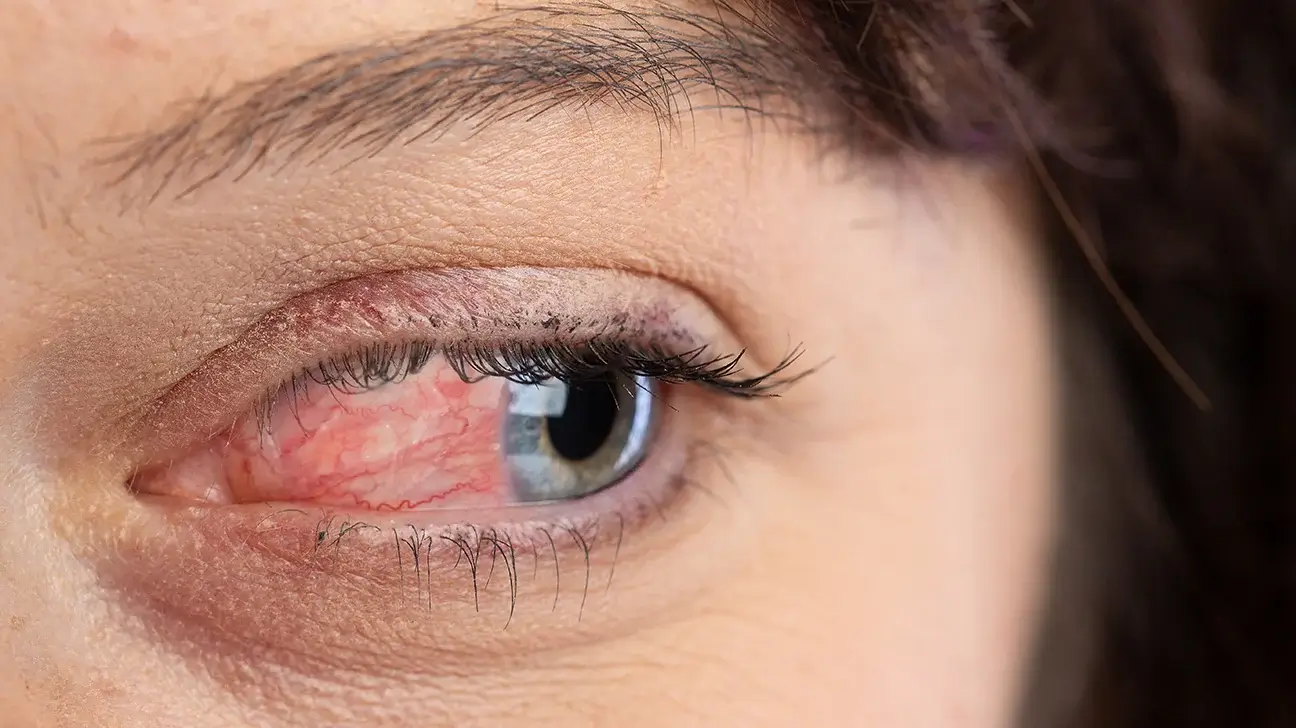
First off, what is ocular rosacea? It's a condition that's part of the rosacea family, but instead of just affecting your skin, it targets your eyes, making them irritated, red, and itchy; it can sometimes feel like you've just chopped a bag of onions.
Symptoms: Your Eyes Are Telling You Something
The symptoms can be pretty varied, but here's what you should look out for:
- Red, Irritated Eyes
- Dryness:
- Swollen Eyelids
- The Feeling of Something in Your Eye
- Blurred Vision: When things get a bit foggy
- Sensitivity to Light (Photophobia)
- Dilated small blood vessels on the sclera (the white part of your eye)
Causes of Ocular Rosacea
The cause of ocular rosacea is still a bit of a mystery, so although we can't pinpoint a specific cause, several factors are known to increase your chances of developing it, for example:
- Genetics - You can inherit it from one or both parents
- Bacteria - (some studies have suggested an association with bacteria such as Helicobacter pylori, although the relationship remains uncertain).
- which is responsible for some gastrointestinal diseases and gastric ulcers)
- Circulation - Abnormal regulation of the tiny blood vessels around the face and eyes is also thought to play a role.
Also, some circumstances are known triggers
- Stress
- Alcohol
- Spicy foods
- UV light - such as tanning beds
- Extreme weather - such as extreme heat, cold, wind, or sunlight
Diagnosis: The Detective Work
Figuring out if you have ocular rosacea can be tricky since its symptoms often masquerade as other eye problems. An eye doctor or ophthalmologist will normally make a diagnosis based on your signs and symptoms. Your doctor will ask you about your medical history and examine the eyelids, and the eyelid margins for inflammation or blocked meibomian glands.
Treatment of Ocular Rosacea
While there is no cure for ocular rosacea, there are treatments; these normally focus on treating the symptoms and can be self-care related.
- Prescription Medications: Sometimes, doctors prescribe antibiotics or anti-inflammatory medication
- Warm Compresses
- Artificial Tears
- Regular eyelid cleaning
- Sunglasses, especially on bright days.
Self-help for Ocular Rosacea
Little lifestyle changes can make a big difference. Managing stress, avoiding spicy foods, and reducing or avoiding alcohol if you find it triggers your symptoms. And, of course, a gentle skincare routine that's kind to your rosacea-prone skin.
Dealing with ocular rosacea can be a bit of an emotional rollercoaster, too. It's not just the physical symptoms; it's also how it makes you feel about your appearance and the frustration of dealing with a chronic condition. Remember, it's okay to seek support, whether from friends, family or professionals.
Complications of Ocular Rosacea
Although most cases of Ocular Rosacea are mild and treated or calmed easily, if left unchecked, ocular rosacea can lead to more serious issues like scarring of the inner eyelid, corneal scarring, and even corneal ulcers, which can become sight-threatening if not treated early. If you experience any of the signs and symptoms mentioned above, it is advisable to make an appointment with your optometrist or general practitioner. Regular eye checks play an important role in helping to detect infections and potential eye issues.
In Conclusion
Ocular rosacea might not be the most famous eye condition out there, but it's certainly one worth knowing about, especially if you or someone you love has rosacea. It may be painful, irritating, and unsightly at times, but with the right care, knowledge, and support, managing ocular rosacea is definitely within reach.
Don't forget, if you have any worries or concerns, speak to your optometrist, or you can check out our Eye Help pages, which are available to everyone. However, if you order lenses from us, you will have access to our contact lens aftercare pages and our optometrist from within Your Account.