What Is Keratitis?
Keratitis is inflammation of the cornea, the clear dome-shaped surface at the front of the eye. It may be caused by an infection or by non-infectious conditions such as injury, dry eye or contact lens overuse.
Keratitis is broadly divided into infectious and non-infectious keratitis. Infectious keratitis may be caused by bacteria, fungi, viruses or parasites, while non-infectious keratitis has causes such as injury, dry eye or contact lens overuse. This article focuses mainly on the two most common infectious forms: bacterial and fungal keratitis.
Fungal Keratitis, sometimes referred to as keratomycosis, is an eye infection caused by a fungus that results in an inflammation of the eye's cornea, the thin, clear covering at the front of the eye.
Fungal Keratitis and Bacterial Keratitis have very similar presenting symptoms, making it difficult to differentiate in the early stages. When seeking medical advice for possible Keratitis, it is important to give your Optometrist, GP, or Ophthalmologist a full and detailed explanation of events leading up to the infection.
A message from our optometrist: "One of the biggest mistakes we see is people trying to 'wait a day or two' when a painful red eye develops while wearing contact lenses. Pain, light sensitivity, and blurred vision are not typical symptoms of simple irritation and should never be ignored. Removing your contact lenses immediately and seeking urgent professional advice can make the difference between a straightforward recovery and permanent damage to the cornea."
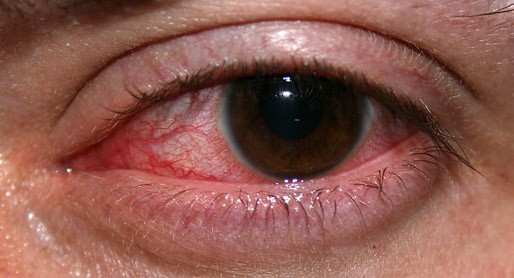
What Are The Symptoms Of Fungal Keratitis?
Fungal keratitis symptoms include blurry vision, redness, sensitivity to light, excessive tearing or discharge,
- Redness
- Blurred Vision
- Pain
- Photophobia (Sensitivity to light)
- Excessive tearing
- Discharge from the eye
Antibiotics will have no effect, and if you are a contact lens wearer, they will persist even after removing your lenses.
While similar to bacterial keratitis, the symptoms are typically much less severe. However, fungal keratitis can be just as severe or even more so if untreated, potentially leading to permanent vision loss. Studies have shown that fungal infections can lead to corneal scarring and sometimes necessitate corneal transplants. You should always get eye infections checked by an eye care professional, as in more advanced cases, a corneal ulcer may develop, and severe infections can spread deeper into the eye.
In very rare cases, the infection may spread to the rear of the eye, which can cause endophthalmitis and total loss of the eye.
What Causes Fungal Keratitis?
There are five types of fungi that can lead to fungal keratitis.
- Filamentous fungi
- Aspergillus flavus
- Aspergillus fumigatus
- Fusarium
- Alternaria
- Candida
The means by which these fungi infect the eye is usually through contact with plants, dirt, or some other type of organic matter. A thorn injury, for example, could both penetrate the surface of the eye and transfer the fungi from the plant onto the cornea, where it then begins to grow and multiply. Symptoms will begin to present several days later. Another common cause of fungal keratitis is improper cleaning of contact lenses.
How Is Fungal Keratitis Diagnosed?
An Ophthalmologist or Optometrist will assess the visible symptoms and discuss recent events with the patient. Fungal keratitis can fairly easily be mistaken for bacterial keratitis, so it's common for a corneal culture to be taken. This is a quick, simple procedure whereby a small sample of cells is gently taken from the surface of the cornea and sent for analysis to enable an accurate diagnosis.
How Is Fungal Keratitis Treated?
Medicated eye drops are the likely course of treatment. Filamentous fungi are treated with natamycin ophthalmic solution, while Candida yeast is treated with fluconazole ophthalmic solution. In situations where the infection does not respond to the appropriate medication, a third option is available: amphotericin B, but it can be more toxic to the surface of the eye than other antifungal treatments, so it is generally reserved for selected cases.. The time needed for a full recovery can be as little as a few weeks or can take several months in some cases. These eye drops are not available over the counter, and prompt medical attention is needed to start treatment!
What Is Bacterial Keratitis?
Bacterial keratitis is much more common than Fungal keratitis; this is why fungal Keratitis can often be treated for Bacterial in the first instance. Bacterial Keratitis is one of the most important causes of corneal opacifications, which is the second most common cause of legal blindness worldwide after cataracts
What Are The Symptoms Of Bacterial Keratitis?
Bacterial keratitis usually comes on rapidly, and you can experience the following:
- Pain
- Photophobia
- Decreased vision
- Redness
Any eye disorders causing pain, redness, and an alteration of your vision should be checked out by an eye professional immediately
Causes Of Bacterial Keratitis
Bacterial keratitis, as you would expect, is caused by a bacterial infection. According to the US Centers for Disease Control and Prevention (CDC), the most common types of bacteria are Pseudomonas aeruginosa and Staphylococcus aureus. There are many ways that these bacteria can enter the eyes and lead to bacterial keratitis, including the following
- Recent eye injury
- Eye disease
- Weakened immune system
- Infections of the eyelids
- Problems with tears
- Contact lens wear
Normal contact lens wear should not result in bacterial keratitis however, poor contact lens practice or poor hygiene can lead to eye infections, including
- Sleeping in contact lenses overnight - unless wearing continuous wear lenses
- Not disinfecting monthly lenses daily
- Not cleaning contact lens cases regularly
- Storing or rinsing contact lenses in tap water
- Topping up lens solution
- Sharing contact lenses
If you are a contact lens wearer and notice any eye pain, redness, decreased vision, photophobia, or increasing discomfort, remove your contact lenses immediately. Never continue wearing a contact lens if your eye becomes painful. Seek urgent advice from your optometrist, GP or your local eye casualty department, as prompt treatment can help prevent permanent damage to the cornea.
How Is Bacterial Keratitis Treated?
The most common treatment for bacterial keratitis is a course of antibiotics, which are normally in the form of a cream or eye drops. Most people begin to improve within 24-48 hours of starting the correct antibiotic treatment, although complete healing may take considerably longer depending on the severity of the infection.. If you see no change in your condition, you should return to your eye care professional, as they may need to check for fungal Keratitis.
The Differences Between Fungal And Bacterial Keratitis
| Symptoms | Fungal Keratitis | Bacterial Keratitis |
| Redness | ✔️ | ✔️ |
| Interference with Vision | ✔️ | ✔️ |
| Pain | ✔️ | ✔️ |
| Photophobia | ✔️ | ✔️ |
| Excessive tearing | ✔️ |
✔️ |
| Excessive discharge from the eye | ✔️ |
✔️ |
| Reacts well to Antibiotics | ❌ | ✔️ |
This table should not be used as a diagnostic tool and should not replace the advice of a qualified eye care professional.
Is Keratitis Infectious?
Whether your Keratitis is infectious or not will depend on what type of keratitis you have, this will need to be determined by an optometrist, and Ophthalmologist, or a GP following a history of symptoms and causes and possibly tests.
Causes of Non-infectious keratitis include
- Dry eyes
- Allergies
- Foreign object in the eye
- Injury to the eye
- Snow blindness
- Vitamin A deficiency
- Sleeping in or overwearing contact lenses
Causes of Infectious Keratitis
- Bacterial Infection - possibly from unclean contact lens cases
- Fungal infection - often introduced by an injury to the eye
- Viral infection - normally due to other infections such as Herpes simplex or zoster
- Parasitic infection - normally, parasites are found in rivers or lakes
Any infection or eye injury should always be checked out by an eye care professional.
Don't forget, if you have any worries or concerns, speak to your optometrist, or you can check out our Eye Help pages, which are available to everyone. However, if you order lenses from us, you will have access to our contact lens aftercare pages and our optometrist from within Your Account.
Image credit: Eddie314, Wikipedia CC-BY-SA-3.0 via
Wikimedia Commons